Our society today is defined by many things– social media trends, various political scandals– but interwoven among these is one unexpected element: barefoot-phobia.
Albeit the relative humor of this statement, it is entirely a serious one. Internet jokes about having one’s feet out are almost viral, while content produced about the bare foot is certain to contain a comment section spewing vitriol. What is not noticed, however, is the implicit cultural biases included in such “jokes.” Eastern cultures value barefootedness as a sign of cleanliness and respect, leaving the shoe to be worn only while leaving the house or other places of worship. In stark contrast, Western cultures contain no such mores, and participate in the idea of the “dirty” foot.
It is entirely understandable that a broader audience may find fault with ascribing this deeper meaning to a set of harmless Internet jokes. But the problem is that these jokes are precisely not harmless, and– whether it’s intended or not– mock cultural practices.
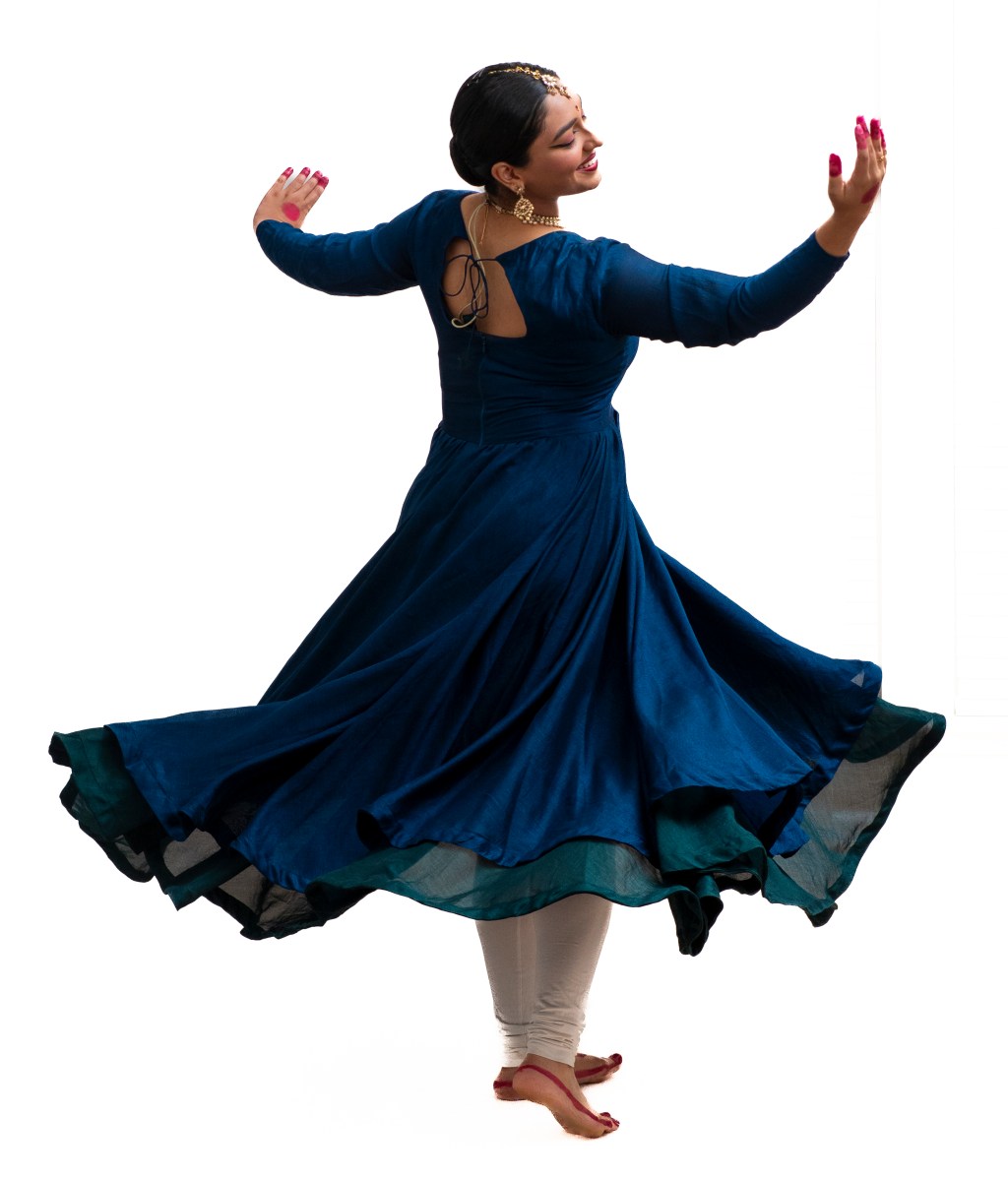
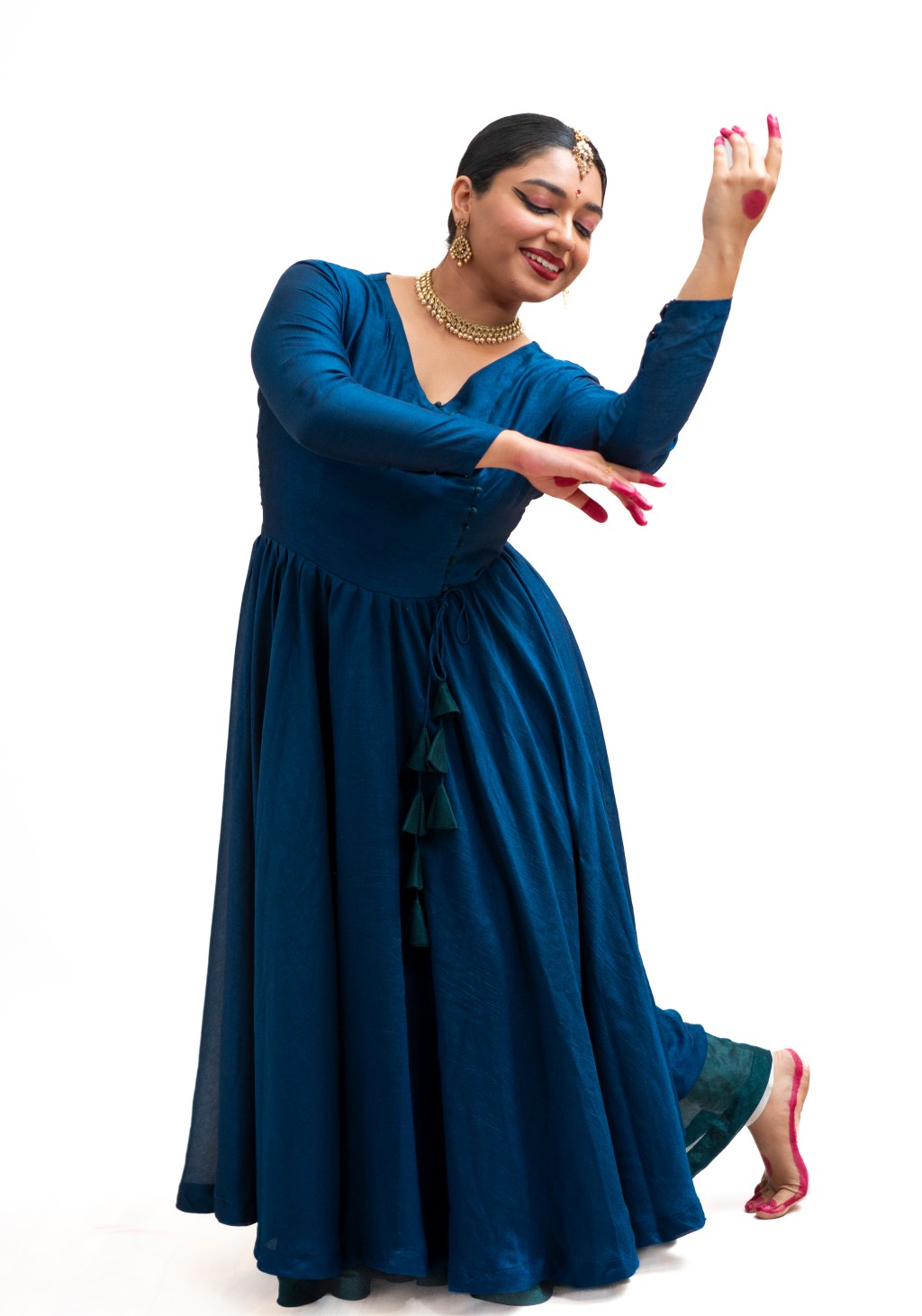
This is especially relevant to dance. Indian classical dance, for example, is performed barefoot. In my experience straddling both the worlds of ballet and Indian classical dance, I have experienced so much foot-related racism! Again, part of the general disgust with the foot may be attributed to a broader element of Western culture… but ignorance certainly contributes. Furthermore, there are so many schools of modern dance who will celebrate barefoot dancing in a way that can only be described as “hippie-esque,” when what they are doing, in reality, is appropriating another Eastern cultural practice while simultaneously disparaging the People of Color who practice barefootedness in their daily lives.
Appreciation is always welcome. Appropriation is not. The way we combat both ignorance and appropriation is with education. As such, it is important that we, as dancers, are sensitive and aware of the cultural practices of other dance forms. This kind of knowledge makes us better dancers and better humans.
The Origin of Barefootedness: Ayurveda
Ayurveda refers to ancient Indian sciences that are documented in the sacred Hindu texts known as the Vedas. The Vedas are said to date back before 2000 BCE (Rigveda) based on archeological and geological evidence. These texts are packed with scientific and mathematical information on human physiology, nature, crops, and cures for illness, among other information such as the foundations of mathematics and the detailed study of the night sky. As such, Ayurveda refers to the spiritual scientific knowledge contained in the Vedas.
Ayurveda maintains that everything is made up of five elements: Space, Air, Fire, Water, and Earth. These five elements are divided into our fingers and our toes.
The thumb and the big toe are connected to Space. The index finger and the second toe are connected to Air. The middle finger and third toe are connected to Fire. The ring finger and the fourth toe are connected to Water. The pinky finger and the pinky toe are connected to Earth.
Ayurveda states that these are energy channels present in the fingers and toes that absorb the energies from these respective elements. It is for this reason that individuals must walk barefoot: to connect with these elements, and distribute this natural energy through the human body to stay healthy.
Prayers to the Earth
A significant distinction between Western and Eastern classical dance is in the respect given to the Earth prior to dancing. All Indian classical dance forms begin with a prayer, or salutation, to the ground, where the dancer thanks the Earth for allowing them to dance upon it. The ground upon which an Indian classical dancer dances is considered sacred to the dancer, and as such, respect is shown through the salutation. There is no such comparable element in Western dance.
Cultural significance aside, I encourage you all, dear readers, to keep reading and educating ourselves about things that we may not be familiar with. At the very least, perhaps consider stepping outside barefoot today. Relish the taste of the cool earth beneath you. Feel immense joy in the tickle of grass, the sting of concrete, the kiss of dew on the undersides of the green shoots.
You will find that feeling with your feet makes you a better dancer, and this is another topic that we will definitely explore further. Please stay tuned for an exploration of how we can use our feet just as we use our hands, and how it can make us better, more holistic dancers.
You are part of the Earth. Your feet are too.




 Welcome to the Home of Anatomy-based Classical Dance™.
Leave a comment